

 Español
 Français
 Deutsch
 Italiano
 Português
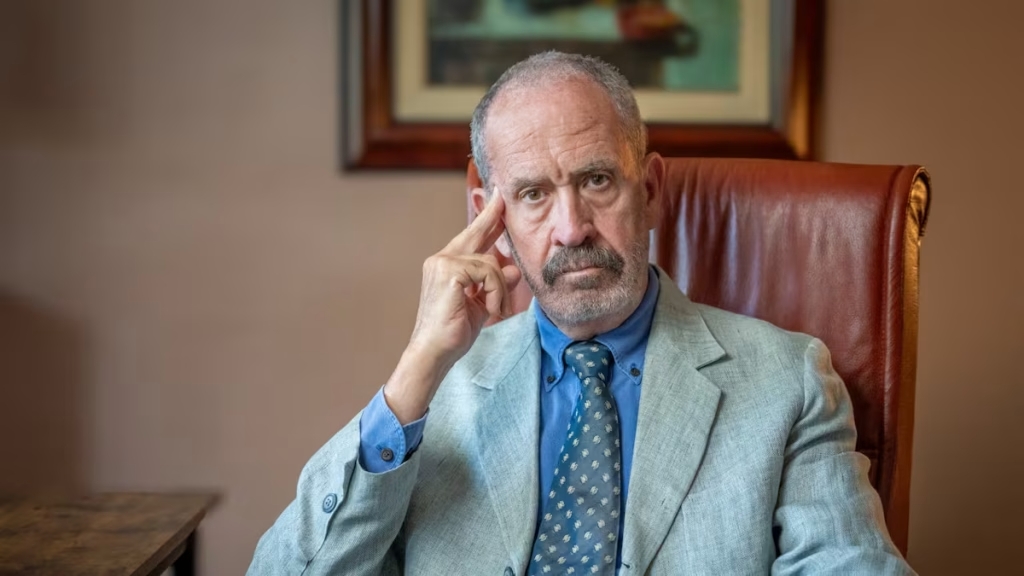
Psychiatrist José Luis Marín recently warned in Spain, in an interview for AS Salud, that normal emotions such as sadness or anxiety are being treated as clinical disorders. This trend, he explains, responds to a shift in the approach to mental health and the current social context. Following the publication of his book, his statements through media and interviews have sparked widespread interest. His research primarily focuses on analyzing how and why this phenomenon is occurring.
Marín argues that, in clinical practice, it is increasingly common for habitual emotional reactions to life situations—such as grief, stress, or uncertainty—to be interpreted as pathologies requiring medical intervention.
The specialist points out that this change is occurring progressively and is linked to a cultural transformation in how emotional distress is understood. He explains that there has been a shift from considering these emotions as part of the human experience to treating them as symptoms that must be eliminated.
In this context, he warns that the predominant approach tends to focus on the symptom, relegating factors such as personal history, social environment, or individual life circumstances to a secondary role.
Likewise, the psychiatrist notes that the speed with which solutions are sought can influence the increase in diagnoses and treatments, especially in cases where distress might be related to everyday situations.
These statements are part of a broader debate within the field of mental health about the boundaries between normal emotional response and clinical disorder, as well as the role of treatments in each case.
The director of Formación Psicoterapia, José Luis Marín, further develops this paradigm shift in his book “Mental Health Does Not Exist. Health Does,” where he analyzes the evolution of the psychiatric approach and its implications in current clinical practice.