

 Español
 Français
 Deutsch
 Italiano
 Português
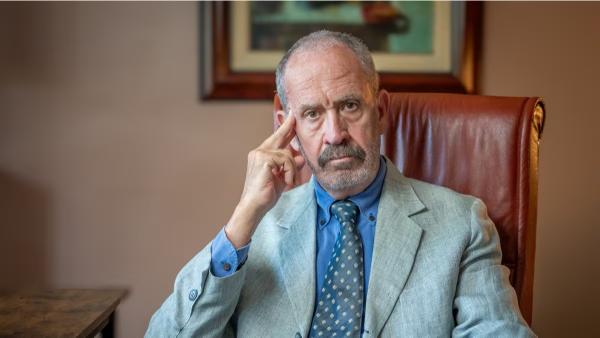
According to Marín, developing hobbies during childhood and adolescence allows for the creation of a “vital reserve” that can be crucial in later stages of life, especially in old age. This reserve is linked to experiences, habits, and personal resources that help cope with the passage of time.
The specialist warns that, in many cases, older adults face situations of loneliness, loss of social connections, or the cessation of their work activity, which can make it difficult to find a daily purpose. In this context, having personal interests or activities plays a significant role.
Marín also points out that the current healthcare system provides limited attention to the patient's biography, despite factors such as childhood, social environment, and life experiences influencing health throughout life.
He also emphasizes that the lack of solid social networks and changes in family structures have increased isolation in certain population groups, especially among older adults.
These statements are part of an integral analysis of aging and health, which considers not only biological factors but also psychological and social ones. The Director of Psychotherapy Training already delves into these ideas in his book “Mental Health Does Not Exist. Health Does,” where he addresses the relationship between life history, context, and the current approach of the healthcare system.