

 Español
 Français
 Deutsch
 Italiano
 Português
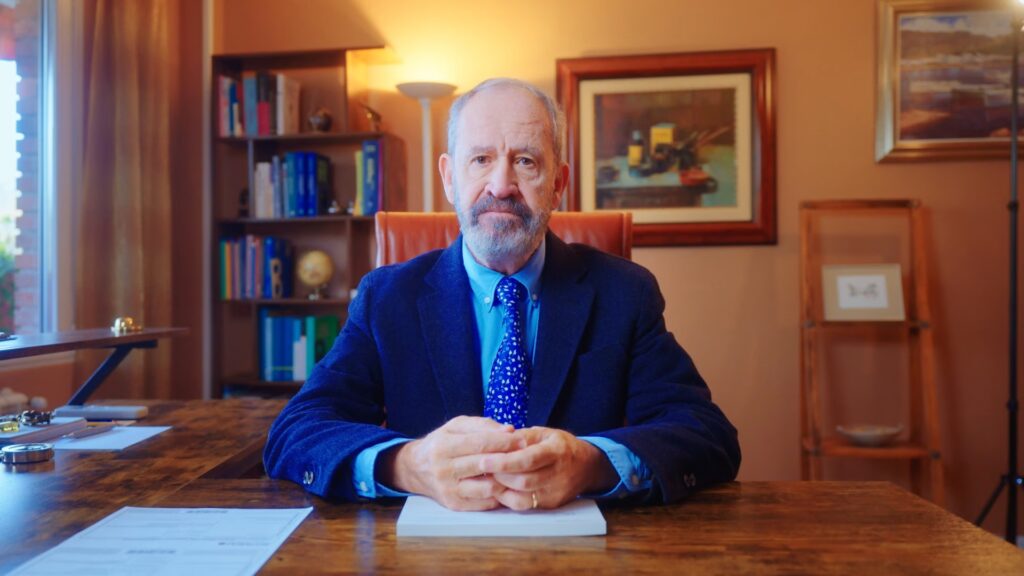
In a recent training session that has shaken the foundations of conventional clinical practice, Dr. José Luis Marín, president of the Spanish Society of Psychosomatic Medicine and Psychotherapy and director of Psychotherapy Training, made a desperate plea for professional courage. According to the expert, current psychotherapy faces an identity crisis where the therapist's fear of exploring the patient's deep pain is preventing true healing. The doctor argues that what is not named cannot be healed, and that the clinician's silence makes them an accomplice to the subject's suffering.
The training, focused on the relationship between trauma and symptoms, revealed that an alarming percentage of psychotherapy dropouts occur because the therapist avoids exploring traumatic experiences. Marín explained that professionals often hide behind the patient's supposed fragility to avoid asking about painful topics such as abuse or abandonment. However, clinical reality shows that the therapist often has more fear than the patient themselves, who has often spent decades waiting for someone to have the courage to listen to and validate their historical truth.
Dr. Marín was emphatic in stating that asking about trauma is not a technical option, but an ethical obligation that must be raised in the first sessions of diagnostic evaluation. Postponing this exploration under the pretext of “stabilizing” the patient is often a rationalization of the professional's fear of the emotional response they might receive. For the psychiatrist, the patient quickly detects whether the therapist is capable of holding their pain; if they perceive avoidance, the patient will eventually leave the consultation feeling that their true story does not interest the clinician.
During the presentation, the concept of the “drama of the gifted child,” based on the research of renowned author Alice Miller, was deeply analyzed. This phenomenon explains how children raised in seemingly perfect environments can develop a “false self” to satisfy their parents' emotional needs. These children, who take responsibility for the family system's happiness, grow up without ever having been seen for who they truly are. In adulthood, this structural void manifests as severe depression or physical illnesses without a traditional biological explanation.
A critical point of the intervention was the denunciation of “re-traumatization” that inadvertently occurs in many current consultations. Marín harshly criticized the habit of professionals compulsively taking notes or looking at screens while the patient tries to share their most intimate suffering. In his opinion, nothing heals more than contingent gaze and direct eye contact between two human beings. Many patients arrive with the wound of never having been seen; if the therapist repeats this lack of attention, they are actively reinforcing the original trauma.
The doctor recommended leaving the pen on the table and looking into the patient's eyes to create a reparative and authentic bond in the “here and now.” The expert also criticized the “psychiatrization of life” and the excessive use of psychotropic drugs to flatten the subject's affective symptoms. He defined anxiety and anguish not as illnesses in themselves, but as alarm signals that something in the subject's history is about to decompensate. Treating a panic attack only with pills is like turning off a fire alarm without looking for the fire.
Psychotherapy must always go to the root of the symptom, which is almost always found in abandonment or primary emotional deprivation in early childhood. The therapeutic relationship was presented as the only space capable of effectively repairing the damage that occurred in original attachment relationships. Marín recalled that what was broken in a relationship can only be healed through another significant human relationship. The therapist must offer a “secure base,” a concept by Bowlby that implies emotional availability, professional containment, and a protective authority figure.
Without this solid and trusting bond, any technical tool such as EMDR or psychoanalysis loses much of its real effectiveness in the change process. These techniques represent only a small percentage of the total success of the treatment compared to the strength of the alliance between patient and clinician. In a gesture of professional honesty, the doctor recalled that twenty-five percent of health professionals have also suffered aggression or trauma in their own childhood. This reality explains why many therapists avoid asking about these experiences.
The patient's response often resonates with the mental health professional's own unresolved wounds, activating unconscious defense mechanisms. For this reason, Marín insisted that personal therapy is an indispensable and mandatory requirement for any psychotherapist who wishes to be officially accredited. Only a professional who has traversed and processed their own pain can have the capacity to accompany another through “psychotherapy that hurts.” The doctor emphasized that if a therapy does not generate pain at some point, it is probably not doing deep work.
Dr. Marín urged novice psychologists to abandon the obsessive search for empty technical tools and focus on the art of presence. He invited attendees to change the traditional question “What's wrong with you?” to a more human and profound “What has happened to you?” This transition marks the fundamental difference between a symptom-focused clinic, which only manages superficial discomfort, and a trauma-focused clinic, which seeks the subject's real freedom. The true medicine of the future involves recognizing the historical truth of each individual, however painful it may be.
Fibromyalgia was cited as a paradigmatic example of how the body screams what the mind has had to dissociate to survive daily horror. The doctor shared harrowing clinical cases where chronic physical pain disappeared only when the patient managed to verbalize abuses silenced for decades. In these cases, the medical diagnosis of autoimmune disease served only to hide a history of family violence that no one had dared to ask about. The clinician must be the first to break that pact of silence that protects the aggressor.
Finally, the session concluded with a reflection on the social responsibility of psychotherapy in an increasingly medicalized world. Dr. Marín argued that the psychotherapist must be an agent of truth, not an administrator of emotional placebos or simple behavioral guidelines. Authentic healing requires descending into the patient's hells with a flashlight, providing the necessary security for them to integrate their dissociated parts. Only through this process of neurobiological and emotional integration can true autonomy and definitive mental health be achieved.
The current model, excessively based on manuals like the DSM, often acts as a catalog of manifestations of suffering that ignores the root of the real problem. Marín emphasized that systemic inflammation and psychic suffering are branches of the same tree whose root is generally found in childhood experiences. By labeling a patient with a “mental illness” for a legitimate vital protest, they are condemned to chronic medication that only flattens their emotions. This practice prevents the patient from connecting with their history and seeking a real solution.
Technical training represents only between five and eleven percent of the final therapeutic success according to various international studies cited during the day. What truly produces change is the therapeutic relationship and a solid theoretical base that allows understanding how the patient reached their current situation. The day concluded with an invitation to clinical courage: to legitimize the patient's fear, offer security, and, above all, never stop asking about the origin. The future of mental health lies in an unavoidable commitment to the subject's truth.