

 Español
 Français
 Deutsch
 Italiano
 Português
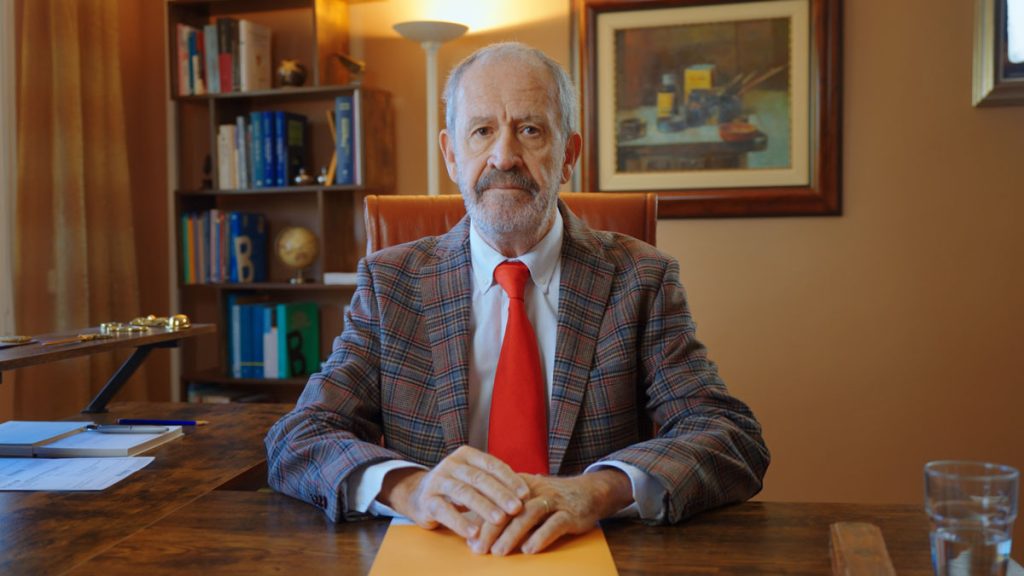
The core of Dr. Marín's presentation focused on the urgent need to transform clinical diagnosis. According to the expert, the current model, excessively based on the Diagnostic and Statistical Manual of Mental Disorders (DSM-5), acts as a “catalog of manifestations of suffering” that often ignores the root of the problem.
“The question ‘what’s wrong with you?’ only makes sense in hospital emergencies,” Marín stated. In the realm of deep psychotherapy, the fundamental question must be “what has happened to you?” For the psychiatrist, symptoms such as anxiety, depression, eating disorders, or even physical illnesses like fibromyalgia, are actually “scars or open wounds” from traumatic experiences, often occurring in childhood and silenced by the environment.
During his intervention, Dr. Marín presented several clinical cases from his own practice—metaphorically referred to as “a morning in the consultation”—to illustrate how early relational trauma and child sexual abuse hide behind various diagnoses.
“There is no psychotherapy for ADHD or depression in themselves; we do psychotherapy for the conflict and its sequelae”
He cited the case of a 12-year-old boy erroneously diagnosed with ADHD and oppositional defiant disorder, polymedicated with antipsychotics and tied to hospital beds, whose true origin was a history of neglect and violence in his early years of life. “There is no psychotherapy for ADHD or depression in themselves; we do psychotherapy for the conflict and the sequelae of traumatic experience,” the doctor asserted.
The figures provided during the conference were compelling: while child sexual abuse in the general population of Spain is around 20-25%, in the clinical population (those who seek consultation) the figures skyrocket above 40%, reaching over 70% in cases of psychosis or severe disorders. Marín warned that if a professional is not aware of these backgrounds in at least half of their patients, it is likely that they “are not exploring adequately” and are performing what he called “M-40 psychotherapy”: circling around the problem without ever reaching the center.
One of the most tense and reflective moments of the day occurred when the director of Psychotherapy Training addressed professionals' fear of delving into trauma for fear of “decompensating” the patient. Using the analogy of “opening the melon,” he explained that the fear is usually not the patient's, but the therapist's who doesn't know what to do with the response.
“Not exploring traumatic experience is, at this moment, professional negligence”
“Not exploring traumatic experience is, at this moment, professional negligence,” he emphasized, mentioning that in countries like Scotland or regions of the United States, avoiding this inquiry is already considered a serious ethical lapse. For Marín, the patient “knows” what has happened to them—what he calls “the known unthought”—but lacks the words or social permission to integrate it. The therapist's role is, therefore, to help that open wound become a scar with which one can live.
Beyond the psychological, the news highlights the biological component of trauma. Dr. Marín explained that intense traumatic experiences at early ages not only generate painful memories but also physically alter brain development.
“Psychotherapy must aim for neurobiological integration, not just symptom management”
These alterations in neural connections remain active for decades, causing the immune and endocrine systems to respond inadequately to present stimuli. This would explain the high correlation between childhood trauma and autoimmune diseases such as lupus or fibromyalgia in adulthood. “Psychotherapy must aim for neurobiological integration, not just symptom management,” he added.
Addressing especially newly graduated psychologists, Dr. Marín warned against the “obsessive search for technical tools” or what he called the “new graduate's ADHD.” He reminded that technique or tool (such as EMDR, psychoanalysis, or cognitive-behavioral therapy) only represents between 5% and 11% of therapeutic success. What truly heals is the therapeutic relationship and a solid theoretical foundation that allows understanding “how we got here.”
The day concluded with an invitation to clinical courage: legitimizing the patient's fear, offering security, and, above all, not stopping to ask questions. Dr. José Luis Marín made it clear that the future of mental health involves an unavoidable commitment to the subject's historical truth, however painful it may be.
What is “The Known Unthought”? A key concept in Dr. Marín's presentation, it refers to that primitive knowledge the patient possesses about their trauma, but which they do not know how to verbalize or think about. José Luis Marín concludes the presentation by stating that therapy consists of transforming that mute knowledge into a shared narrative that allows for healing.