
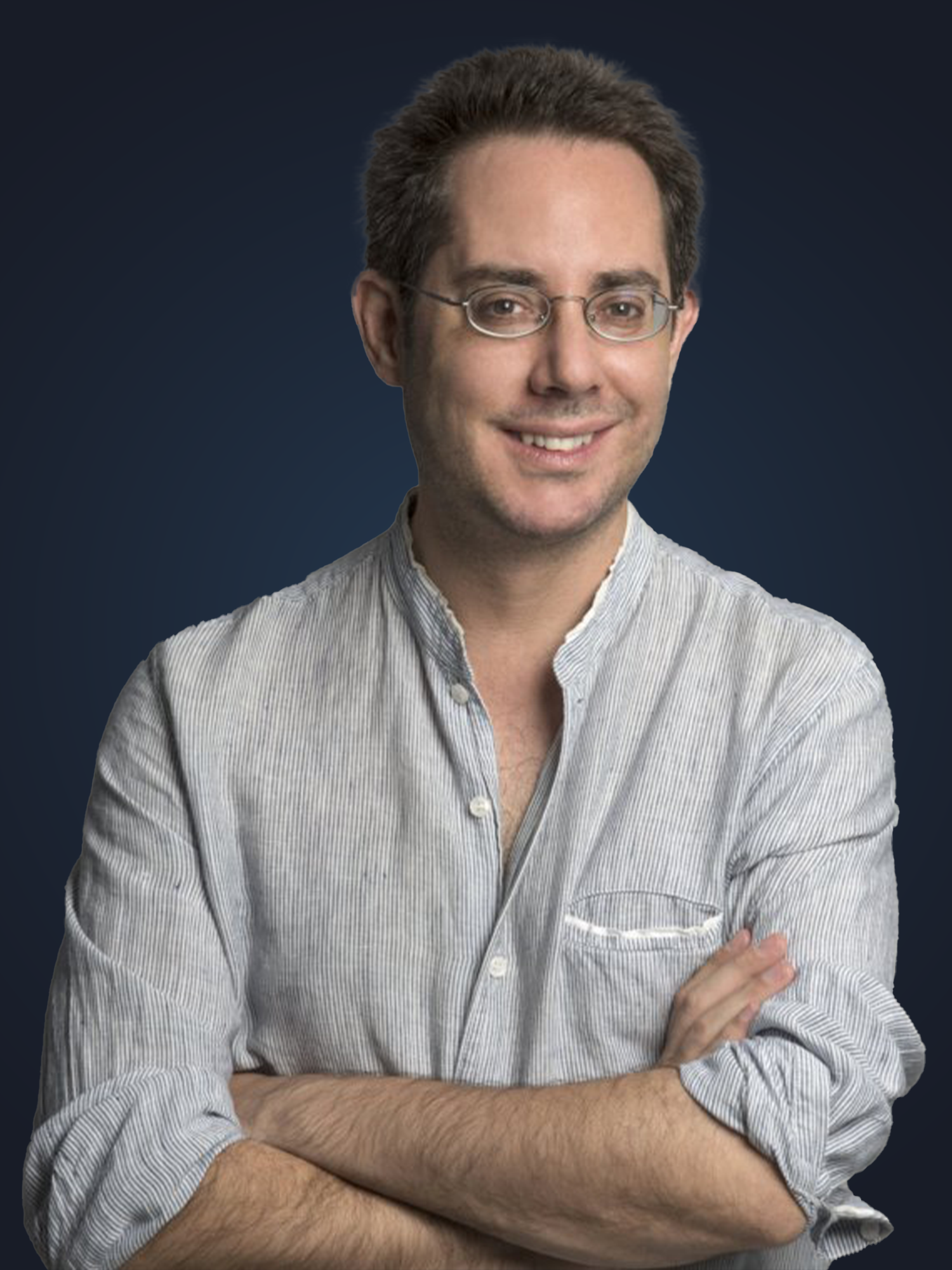
Esteban Laso.
Psychologist, Pioneer of Emotional Key in Individual, Couple, and Family Therapy
Pioneer of the Emotional Key in Individual, Couple, and Family Therapy
Esteban Laso Ortiz is a clinical psychologist and Doctor in Social Psychology from the Autonomous University of Barcelona. Graduated with a clinical specialty, he complemented his training with a Master's in Family Therapy and another in Cognitive-Social Therapy. With over 25 years of experience as a psychotherapist, he is the creator of the Emotional Key, a trans-theoretical proposal that seeks to add depth to all therapeutic approaches. He combines his practice with teaching, being a professor at the Tzapopan Institute and a research professor at the University of Guadalajara, Mexico. He is the author of Deep Experiential Therapy (2022) and Comprehensive Guide to Supervision in Psychotherapy (2020), focusing his research on emotion, socioeconomic trust, and its integration into clinical emotional work.
About Esteban.
Professional Journey and Contributions
Esteban Laso has developed a distinguished professional career that merges clinical practice, academic research, and teaching. Since 2011, he has been based in Mexico, where he is a research professor at the University of Guadalajara, an institution where he develops research projects on emotions in social and clinical contexts.
As the creator of the Emotional Key in Therapy, he has developed a set of principles that allows any school of therapy to perform deep interventions healing the transgenerational wounds that cause symptoms or conflicts. This methodology is based on the recognition of universal relational needs that trigger emotions, organize relationships, and underlie symptoms.
His integrative approach combines techniques from Systemic Individual Therapy with the theory of Emotional Key Therapy, resulting in Deep Experiential Therapy, a proposal that seeks to add depth to all therapeutic approaches based on the recognition of universal relational needs.
He is part of international research teams with which he has published several works in the field of psychotherapy and human change. As an educator, he teaches master's programs in grief and loss, as well as experiential workshops for psycho-social-health professionals where he combines theory and practice on grief, trauma, suicide, mindfulness, couple and family therapy, stress, counseling, caregiver support, team management, and personal growth.
In recent years, he has participated as a speaker in dozens of international conferences, establishing himself as a reference in the field of emotional psychotherapy and family therapy. His work is characterized by transcending traditional therapeutic "schools," proposing a global conception of the mind and human change.
Training and experience.
Programmes in which they participate.
Super Seminario · Jornada en directo
Hay una diferencia entre saber que **el trauma importa** y saber qué hacer con eso en consulta. El domingo es donde la teoría se convierte en intervención.
None
None
Curso de Terapia de Pareja en Clave Emocional
Toma el amor en serio para intervenir en el núcleo de la relación de pareja. «*La emoción no es algo que haya que ocultar, negar o regular: es un testigo de la necesidad.*» — Esteban Laso