Course on Prevention, Intervention, and Postvention in Suicidal Behaviors.
«Suicide is a permanent solution to what is often only a temporary problem.» — Edwin Shneidman
What no one taught us to see: comprehensive training in suicidal behaviors to arrive in time.


«Suicide is a permanent solution to what is often only a temporary problem.» — Edwin Shneidman What no one taught us to see: comprehensive training in suicidal behaviors to arrive in time.
«El suicidio es una solución eterna para lo que, a menudo, no es más que un problema temporal.»
— Edwin Shneidman
Course on Prevention, Intervention, and Postvention in Suicidal Behaviors
There's an uncomfortable fact that should permeate all training for mental health professionals: in Spain, more than eleven people die daily from this cause, and the vast majority of healthcare professionals —psychologists, primary care physicians, emergency services— have not received specific training in suicidal behavior. It's not that they don't want to see: it's that they haven't known how to see what no one has taught them to see. This clinical gap explains more than one case where help didn't arrive in time.
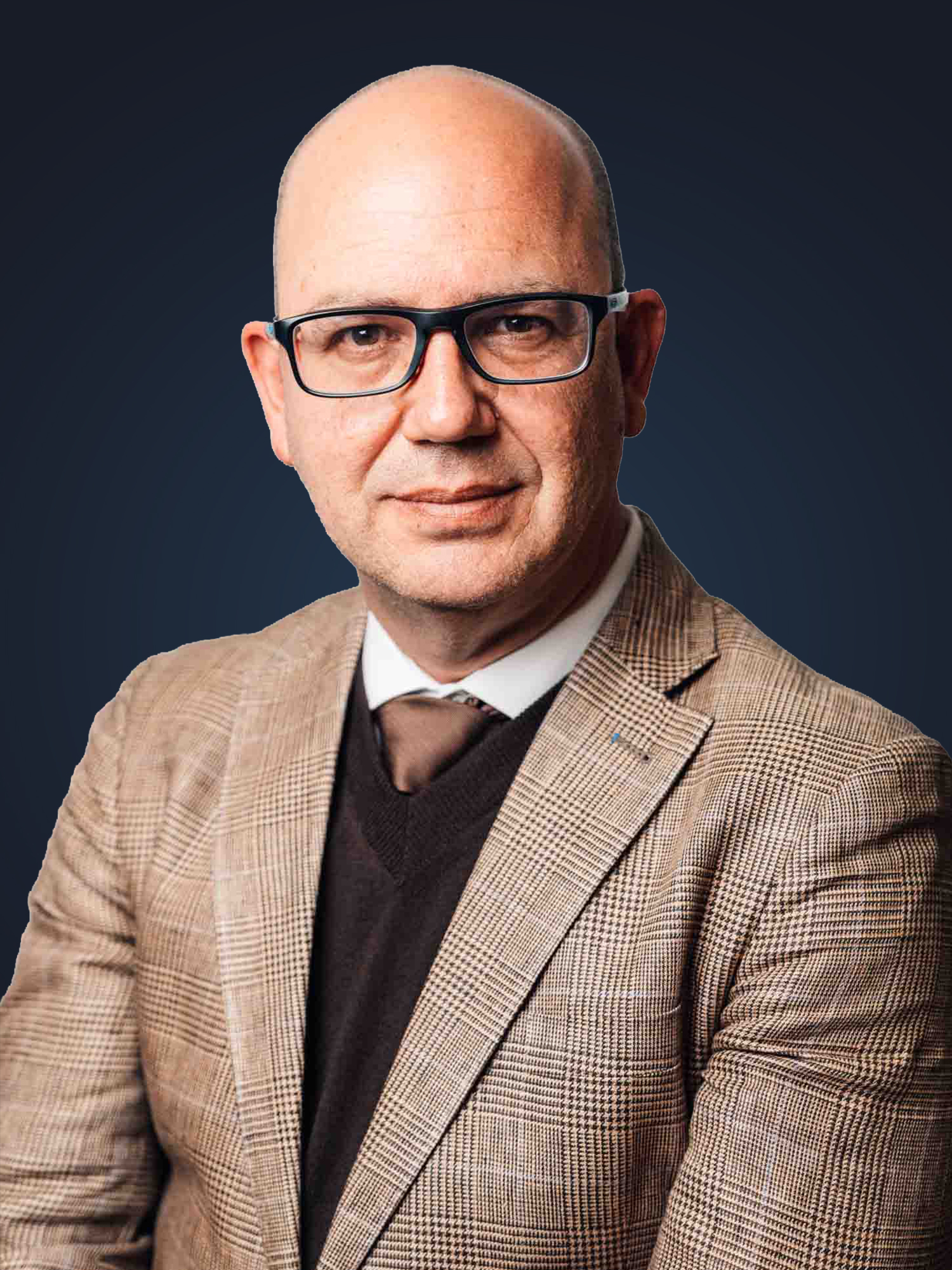
The Course on Prevention, Intervention, and Postvention in Suicidal Behaviors, directed by Pedro Martín-Barrajón Morán —psychologist, trainer for the Illustrious Official College of Physicians of Madrid, the Spanish Society of Emergency Medicine, and up to eighteen official colleges of psychologists—, stems from this observation and makes it its starting point. Two decades of fieldwork distilled into a rigorous, updated, and immediately applicable program, capable of transforming how a professional detects risk, intervenes at the critical moment, and supports those who survive the loss.
One principle underpins the entire proposal: suicide is preventable, but not predictable. This distinction is not academic; it is operational: it defines the type of training needed and the type of professional who can make a difference.
In contrast to fifty years of research focused on psychopathological risk factors —with the limited predictive capacity revealed by Franklin's meta-analysis—, the most recent international initiatives clearly point in another direction: the focus must be on universal prevention, on genuine listening to the person, and on understanding their life context. This course adopts this as its core.
Module 1: Understanding the Suicidal Phenomenon
The first module offers:
- An exhaustive update on the suicidal phenomenon in Spain and worldwide.
- Debunks reductionist causal attributions still circulating among healthcare professionals and in popular imagination.
- Analyzes the traditional psychopathological model and its predictive limits.
- Reviews classic risk factors along with their limited real capacity to determine who and when.
A decisive concept emerges here: the rapid intensification process, which explains why in nearly 50% of cases there were no prior attempts or documented ideation —a fact that completely changes how clinical detection is approached—. The role of stigma, barriers to seeking help, and the country's real epidemiology are also addressed, making understanding the problem the essential first step to acting upon it.
Module 2: Prevention Strategies
The second module develops prevention strategies with the strongest scientific evidence:
- Structural measures and professional follow-up after a prior attempt.
- Awareness programs in high schools.
- Specific attention to intervention in children and adolescents, with a rigorous analysis of the role of social media, grooming, cyberbullying, pro-suicide content, and social contagion in child and adolescent suicidal behavior.
Probably the field where professional training accumulates the most urgent needs.
It also examines how media can generate a Werther effect or a Papageno effect depending on how they approach information, with analyses of real news stories illustrating the most frequent errors and responsible alternatives.
The section concludes with a reflection on the need for universal prevention, in line with what the pandemic demonstrated: informing the entire population saves more lives than limiting efforts to identified risk groups.
Module 3: Crisis Intervention
The third module is the program's clinical core: crisis intervention. Here, the decalogue for action in suicidal crises and the telephone care algorithm created by the instructor during the 2020 lockdown are developed, now in use in emergency services across Spain and several Latin American countries.
Module Contents
- Risk level assessment: Based on the plan's structure, rescuability, and other clinical indicators.
- Normalization and validation: How to validate suicidal ideation without reinforcing it, one of the most delicate balances in intervention.
- Identification of predominant emotions: Adapting the response accordingly.
- Sowing ambivalence: Before seeking vital anchors.
In-Person Intervention
Next, in-person intervention for ongoing crises is addressed, with:
- Guidelines for gradual and consensual approach.
- Signs of favorable and unfavorable evolution during negotiation.
- Professional criteria for physical containment as a last resort.
Numerous analyses of real interventions, with comments from emergency professionals, allow each manual principle to be translated to the complexity of the specific situation. This is the module where training ceases to be theory and becomes an operational tool.
Postvention and Grief Module
The program culminates with a module dedicated to those who survive the loss: postvention and grief after suicide. This grief has its own characteristics such as stigmatization, guilt, ambivalence, unanswered questions, and an increased risk of imitation.
Communication Protocol
The bad news communication protocol with adults and minors is developed, adapting it to the developmental level, with:
- Examples of well-executed interventions.
- Most frequent errors.
The module also includes a clinical analysis of the five types of notes based on real cases provided by families, and concludes with differential indicators between a healthy grieving process and one that requires specialized intervention.
Throughout the entire block, the direct testimony of survivors provides a perspective that no manual can replace.
Program Distinctions
What distinguishes this program is not only its technical rigor, but also the practical vocation with which it has been conceived. It is designed for any professional who wants to arrive in time:
- Psychotherapists who at some point will have a patient at risk in front of them.
- Primary care physicians who receive signals they haven't learned to read.
- Emergency professionals who need a clear protocol.
- School counselors and mental health teams who support grieving families.
Course Objectives
Upon completing the course, you will have incorporated a concrete repertoire of tools to:
- Identify risk before it escalates.
- Intervene effectively at the critical moment.
- Accompany with sensitivity and rigor those who have lost everything.
Because, as the instructor himself concludes this training, with just one case where we arrive in time, any effort will have been worthwhile.
¿Dudas sobre el programa? Habla con un asesor.
Agenda una llamada gratuita y sin compromiso: resolvemos en directo tus dudas sobre el contenido, la acreditación o las formas de pago.
Un programa completo en 4 módulos.
8 clases en vídeo, documentación complementaria y evaluación por módulo. Haz clic en cada módulo para ver todo el contenido detallado.
Una puesta al día sobre el fenómeno suicida en España y en el mundo que desmonta las atribuciones causales reduccionistas. Analiza los límites predictivos del modelo psicopatológico tradicional a la luz del meta-análisis de Franklin, el proceso de intensificación rápida y el papel del estigma y las barreras para pedir ayuda, situando la comprensión del problema como el primer paso imprescindible para actuar.
Las estrategias de prevención con mayor evidencia, de la restricción de acceso a medios y las barreras arquitectónicas a los programas de concienciación y el seguimiento tras un intento. Presta atención específica a menores y adolescentes (redes sociales, ciberbullying, contenidos prosuicidas y contagio social) y al papel de los medios de comunicación (efecto Werther frente a efecto Papageno), en la línea de una prevención universal.
El núcleo del programa: el decálogo de actuación en crisis y el algoritmo de atención telefónica creado por el docente en 2020, hoy exportado a numerosos servicios de emergencias. Enseña a evaluar el nivel de riesgo, a normalizar y validar la ideación sin reforzarla y a conducir la intervención presencial con pautas de aproximación gradual, apoyándose en numerosos análisis de intervenciones reales comentadas por profesionales de emergencias.
Dedicado a quienes sobreviven a la pérdida de un ser querido por suicidio. Analiza las particularidades de este duelo (estigmatización, culpa, ambivalencia, riesgo aumentado de imitación), qué decir y qué no en los momentos iniciales y el protocolo de comunicación de malas noticias con adultos y menores, con indicadores para distinguir un duelo saludable de uno que requiere intervención especializada, siempre con el testimonio directo de supervivientes.
Cómo funciona el curso.
Un programa 100% online diseñado para combinar estudio autónomo con momentos de interacción directa.
Evaluación y acreditación
Al final de cada módulo hay una autoevaluación tipo test. Para obtener la acreditación hay que completar todos los módulos superando el 80% de aciertos. Dispones de 3 intentos por test. Al superar el programa obtienes el diploma acreditativo.
¿Otro curso más de clinical interventions?
No todas las formaciones clínicas son iguales. Elige el rigor clínico sobre la divulgación genérica o la teoría desconectada de la consulta.
Expert in Suicidal Behaviors and Emergency Psychology
Pedro Martín-Barrajón Morán is a psychologist specializing in emergencies, crises, and disasters; and director of Psicourgencias (Prevention, Intervention, and Grief for Suicide, S.L.), an entity specialized in the comprehensive approach to suicidal behavior. With over twenty years of professional experience and a career built in both clinical practice and direct intervention in out-of-hospital emergencies, he is today one of the national and international references in prevention, intervention, and postvention in suicidal behaviors. He balances training for frontline professionals with the coordination of mutual aid groups for survivors, the development of guides and protocols for emergency services, and teaching in postgraduate and university training throughout Spain and Latin America.
Profesionales que ya se han formado.
Psicólogos, psiquiatras y psicoterapeutas que aplican lo aprendido en su consulta.
"Simply amazing how well-crafted and structured it is! No information feels superfluous. The entire process is so important, from identification, the management itself during an intervention with this, as well as what comes after the event, like the process of giving news to..."
"I found the course simply impressive. Just learning what not to say to suicide survivors has already been completely worth it. It has made me reflect on situations I've experienced in the past and on how I want to act in the future, not only when communicating about a..."
"El curso me ha parecido sencillamente impresionante. Solo aprender qué no decir a los supervivientes de un suicidio ya ha merecido completamente la pena. Me ha hecho reflexionar sobre situaciones que he vivido en el pasado y sobre cómo quiero actuar en el futuro, no solo ante..."
"Excellent"
"Excelente"
"realmente nunca había aprendido acerca de la forma de afrontar a un consultante que esta iniciando el duelo de un suicidio, tampoco nunca había escuchado a las madres que hay perdido a un hijo que haya tomado esa decisión, como padre aprendi mucho, lo recomiendo a todos los..."
Avalado por las principales instituciones.
Un respaldo institucional que importa para tu currículum, tu carrera y la validez de tu formación continuada.
Colegio Oficial de la Psicología de Madrid (COPM)
Federación de Asociaciones de Psicólogos y Médicos Psicoterapeutas de España (FAPYMPE)
Ilustre Colegio Oficial de Médicos de Madrid (ICOMEM)
SEMPyP (Sociedad Española de Medicina Psicosomática y Psicoterapia)
Diploma · Course on Prevention, Intervention, and Postvention in Suicidal Behaviors.
Expedido tras superar la evaluación de los 4 módulos del programa
Sobre los sellos colegiales del diploma
Para garantizar un respaldo colegial específico y en cumplimiento con la normativa de estas instituciones, la inclusión de los sellos oficiales de los colegios profesionales en el diploma es exclusiva para aquellos alumnos titulados en las áreas de Medicina o Psicología. No obstante, esta distinción no altera el aval institucional a la calidad del programa, garantizando que todos nuestros alumnos, independientemente de su titulación, egresen con una formación cuya excelencia está plenamente reconocida por estas instituciones.
Todo lo que necesitas saber antes de inscribirte.
Si tienes alguna pregunta que no aparezca aquí, escríbenos a info@psychotherapymasters.com y te responderemos personalmente.
El curso es 100% online y de acceso inmediato: en cuanto te inscribes recibes las credenciales del aula virtual y puedes empezar. No hay fechas fijas de inicio ni calendario obligatorio.
Tienes acceso completo durante 1 año para completar los 4 módulos a tu ritmo. La mayoría de alumnos lo completan combinándolo con su actividad clínica habitual.
Estos son los requisitos para acceder al curso:
- No degree is required to take the courses.
- However, prior knowledge in the subject matter is recommended.
Al final de cada módulo hay una autoevaluación tipo test con preguntas de opción múltiple. Para obtener la acreditación debes completar todos los módulos respondiendo correctamente al menos al 80% de las preguntas. Dispones de 3 intentos por test.
Al superar el curso recibes el diploma.
El precio incluye: acceso completo durante 1 año a las 8 clases en vídeo, toda la documentación complementaria del curso, las autoevaluaciones de cada módulo y el diploma acreditativo al completar el programa.
También puedes pagar a plazos: desde 201 US$/mes en 2 cuotas.
Sí. Si tras inscribirte el curso no es lo que esperabas, tienes hasta 14 días para solicitar la devolución íntegra del importe, según nuestra política de desistimiento.
Sí, emitimos factura a nombre propio o de empresa/centro sanitario. Para muchos profesionales el curso es deducible como formación continuada. Si necesitas factura específica, indícalo en el momento de la compra.
Becas y acceso solidario
Cada edición reservamos un número limitado de becas parciales para profesionales de Latinoamérica, residentes MIR/PIR y psicoterapeutas en situación de desempleo. Creemos que el conocimiento clínico riguroso no puede depender del código postal.
Empieza hoy.
Acceso inmediato.
Sin compromisos. Acceso al aula virtual tras la inscripción.